
In the recent communication from Jonathan e.V., we see a commendable effort to acknowledge the contributions made by several individuals towards the children’s holiday week in Dacia. The expression of gratitude is important, yet it prompts us to explore the deeper implications of these donations. While the intention behind such generosity is noble, we must critically assess the sustainability of the projects these contributions support.
The letter highlights the urgent need for funds to renovate the roof of the educational and community center in Dacia. This is indeed a pressing issue, as the functioning of an inclusive school project for 15-20 children from the village hinges on this renovation. However, one must question the long-term viability of relying on donations for such crucial infrastructure. What happens when the funds dry up? Are we setting ourselves up for dependency on external support rather than fostering self-sufficiency within the community?
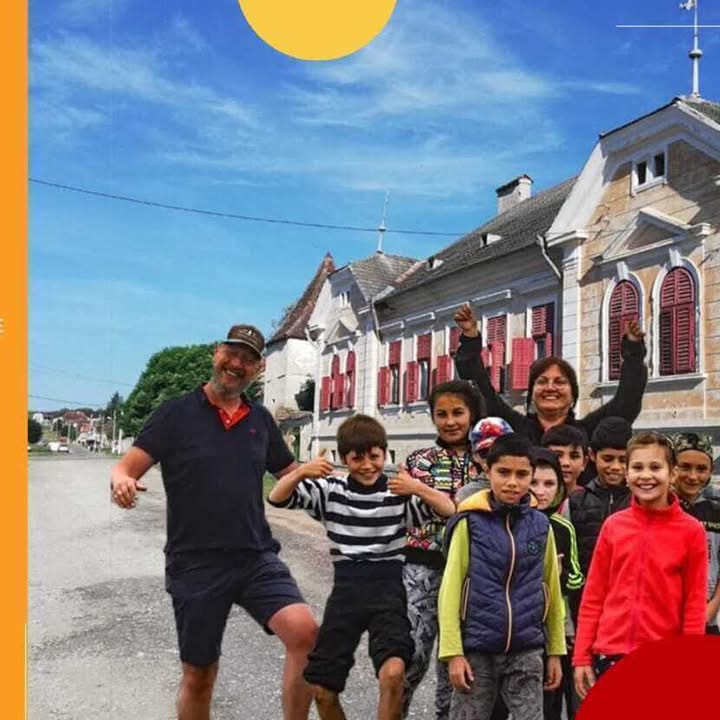
Moreover, while raising 20% of the needed amount is a positive step, it raises further questions about the sustainability of fundraising efforts. Is there a strategic plan in place to ensure that this center does not face similar financial struggles in the future? The cycle of dependency on sporadic donations can lead to instability, hindering the very educational opportunities we aim to provide. We must ask ourselves if we are merely treating the symptoms of a larger issue rather than addressing the root causes.
Additionally, the message emphasizes the importance of solidarity and community support. While these concepts resonate deeply, we must also consider the potential pitfalls of creating a narrative that positions the local community as perpetual recipients of aid. Such a narrative can undermine the agency of the individuals within the community and perpetuate a cycle of dependency. It is essential to empower the local population, equipping them with the skills and resources necessary to sustain their initiatives long-term.
The call to action for further donations is clear, yet it must be accompanied by transparency regarding how these funds will be utilized. Donors deserve to know the specifics of the project and the expected outcomes. Will the renovation lead to a lasting impact, or are we simply investing in a temporary fix? It is crucial to maintain a dialogue that includes the voices of the local community in these discussions. Their insights and experiences can shape a more effective and sustainable approach to development.
In conclusion, while the efforts to support the children of Dacia are commendable, they must be viewed through a critical lens. We must question the sustainability of ongoing fundraising efforts and the potential for creating dependency on external aid. True progress will come from empowering the community, fostering self-reliance, and ensuring that projects are not just funded but also sustainable in the long run. Only then can we truly make a difference in the lives of the children we aim to support.
Wenn ihr mehr wissen möchtet, kontaktiert uns gerne unter:
kontakt@jonathan-ev.de
So könnt ihr helfen:
1. Liked und teilt diesen Beitrag
2. Lasst uns eure Meinung in den Kommentaren wissen
3. Spende per Paypal oder per Banküberweisung:
* Jonathan e.V.
* BIC: DENODED1DKD
* IBAN: DE38 3506 0190 1626 7700 25
* Verwendunszweck: Freie Spende